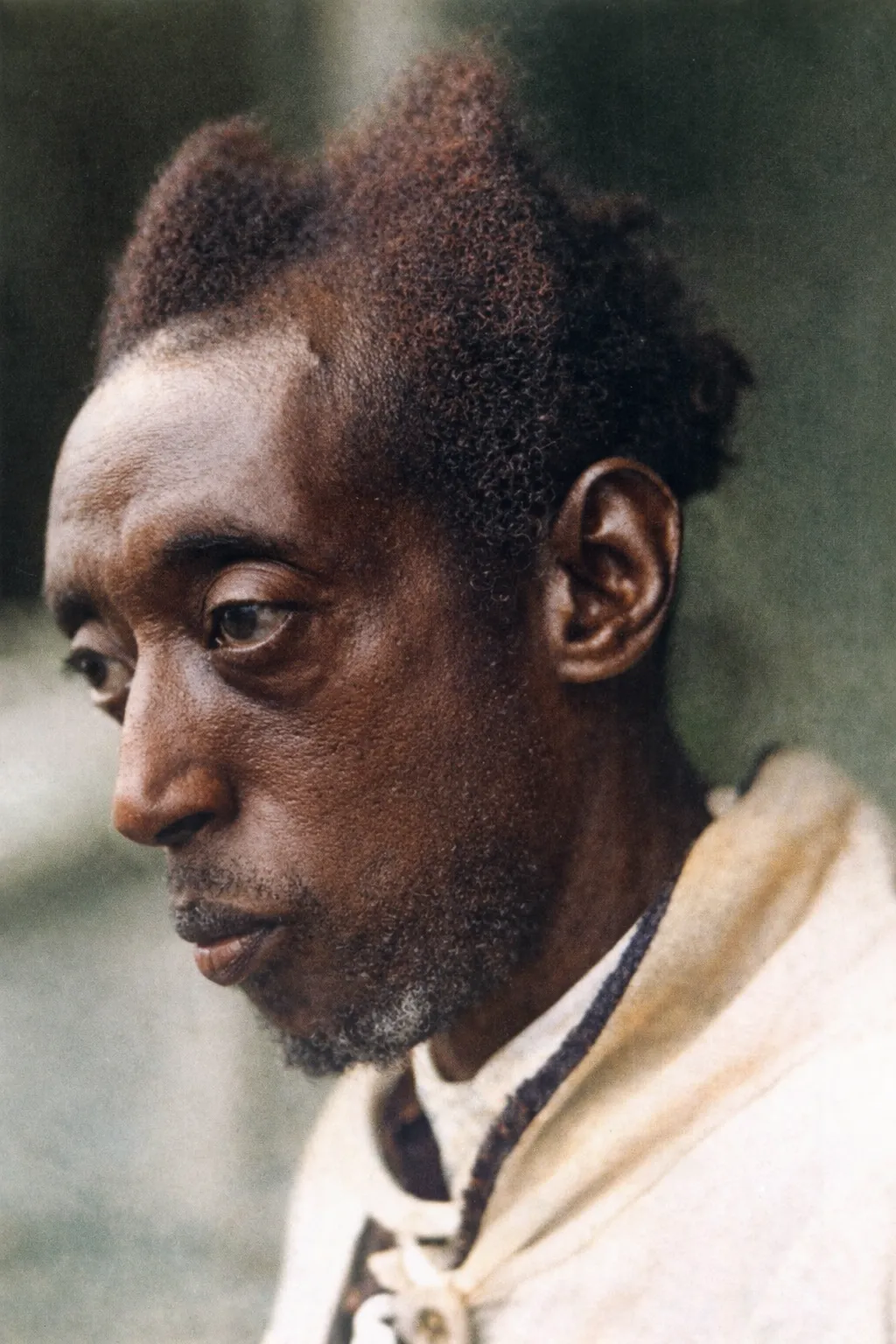
Yuhi V Musinga: Exiled for Rejecting Christian Conversion
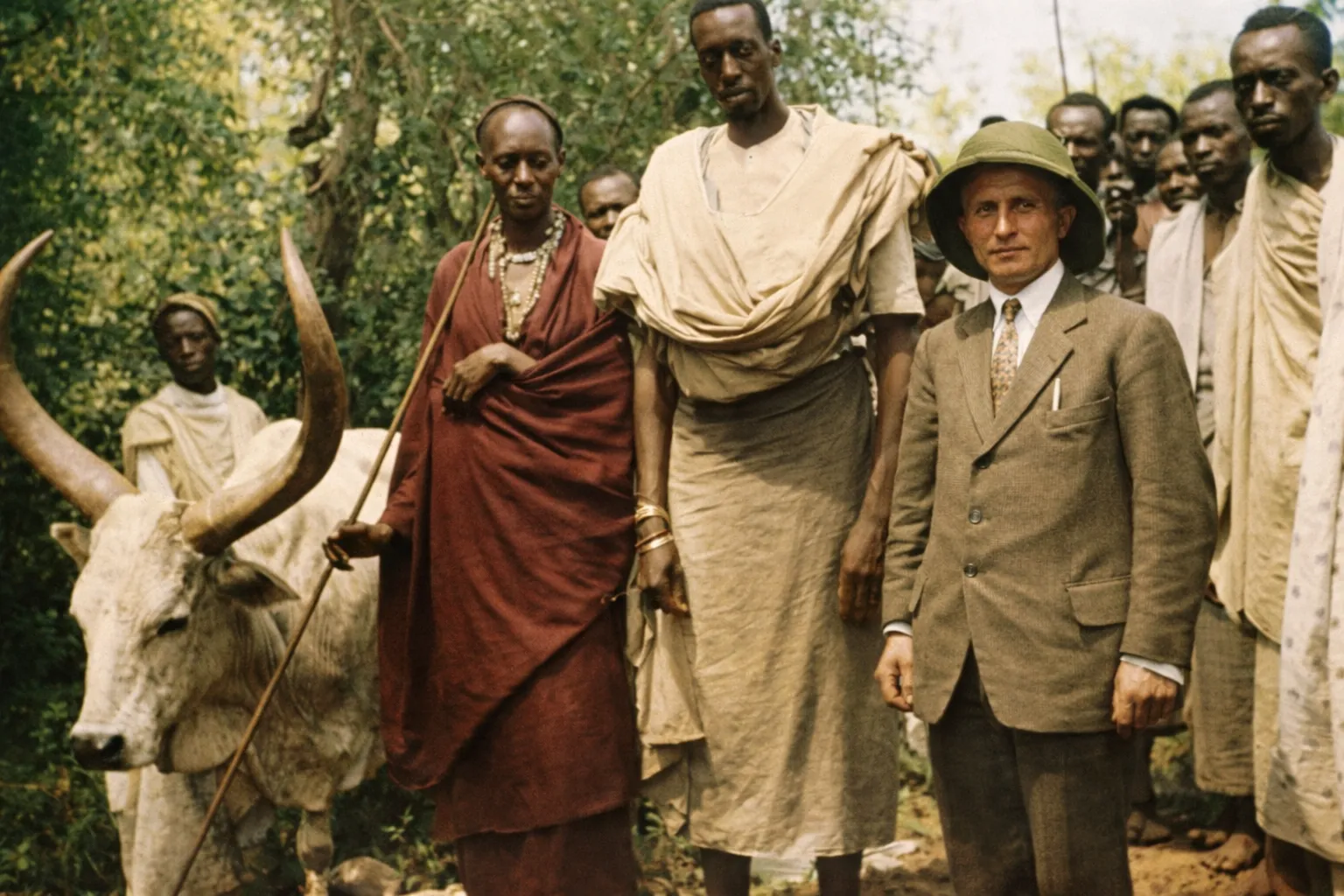
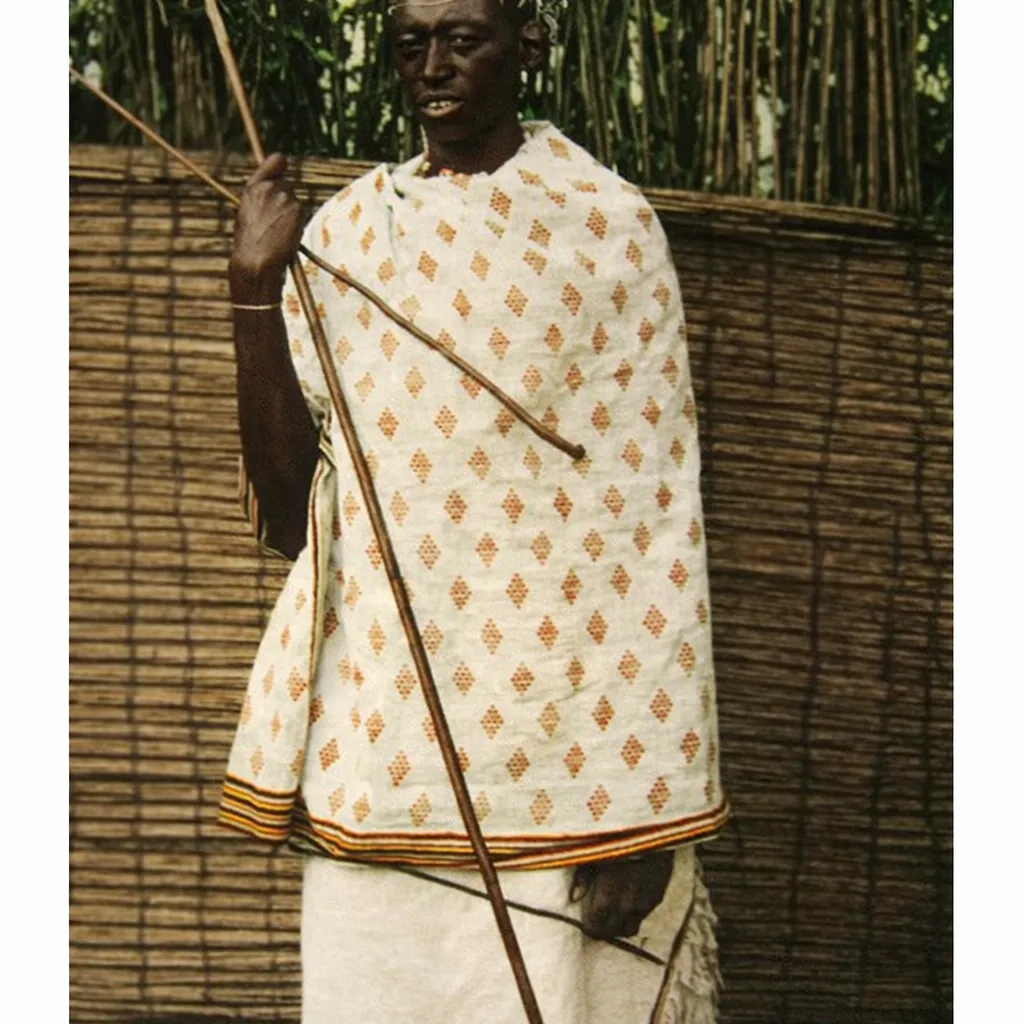
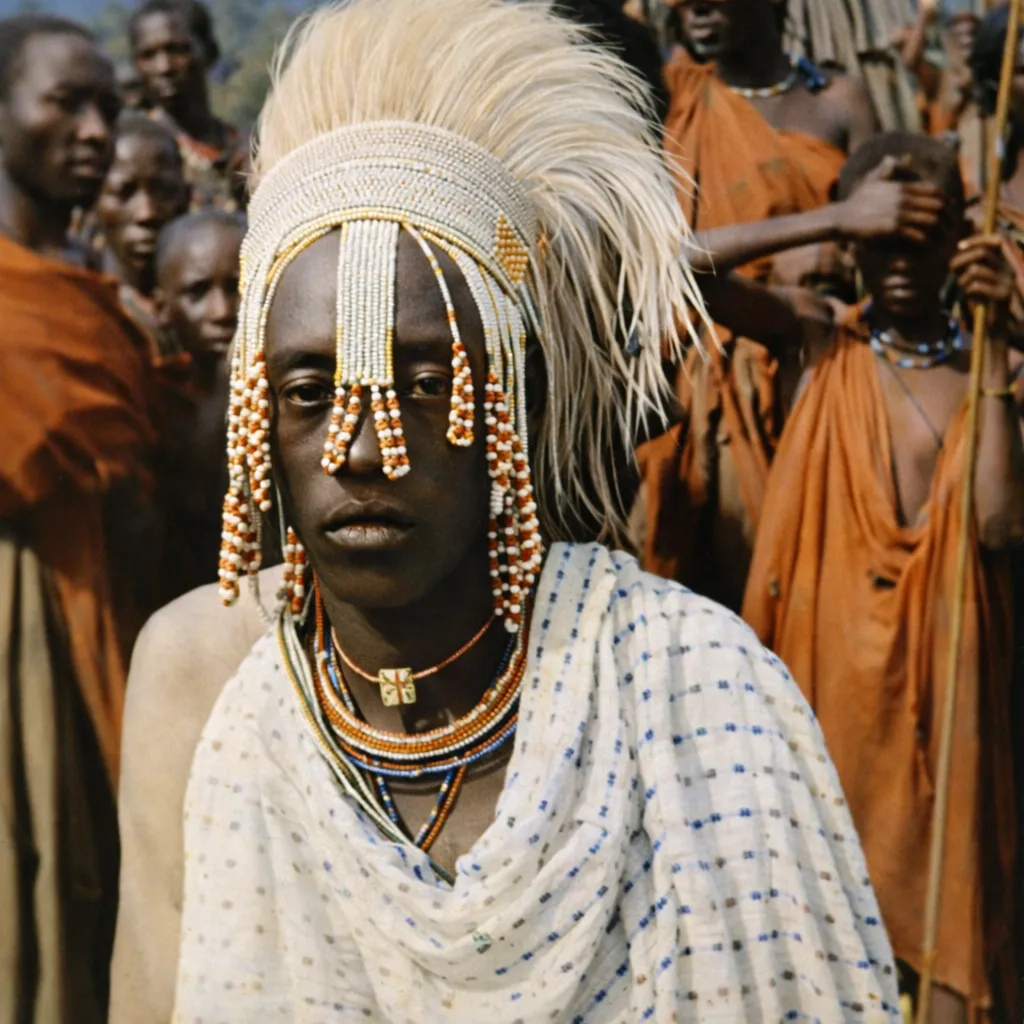
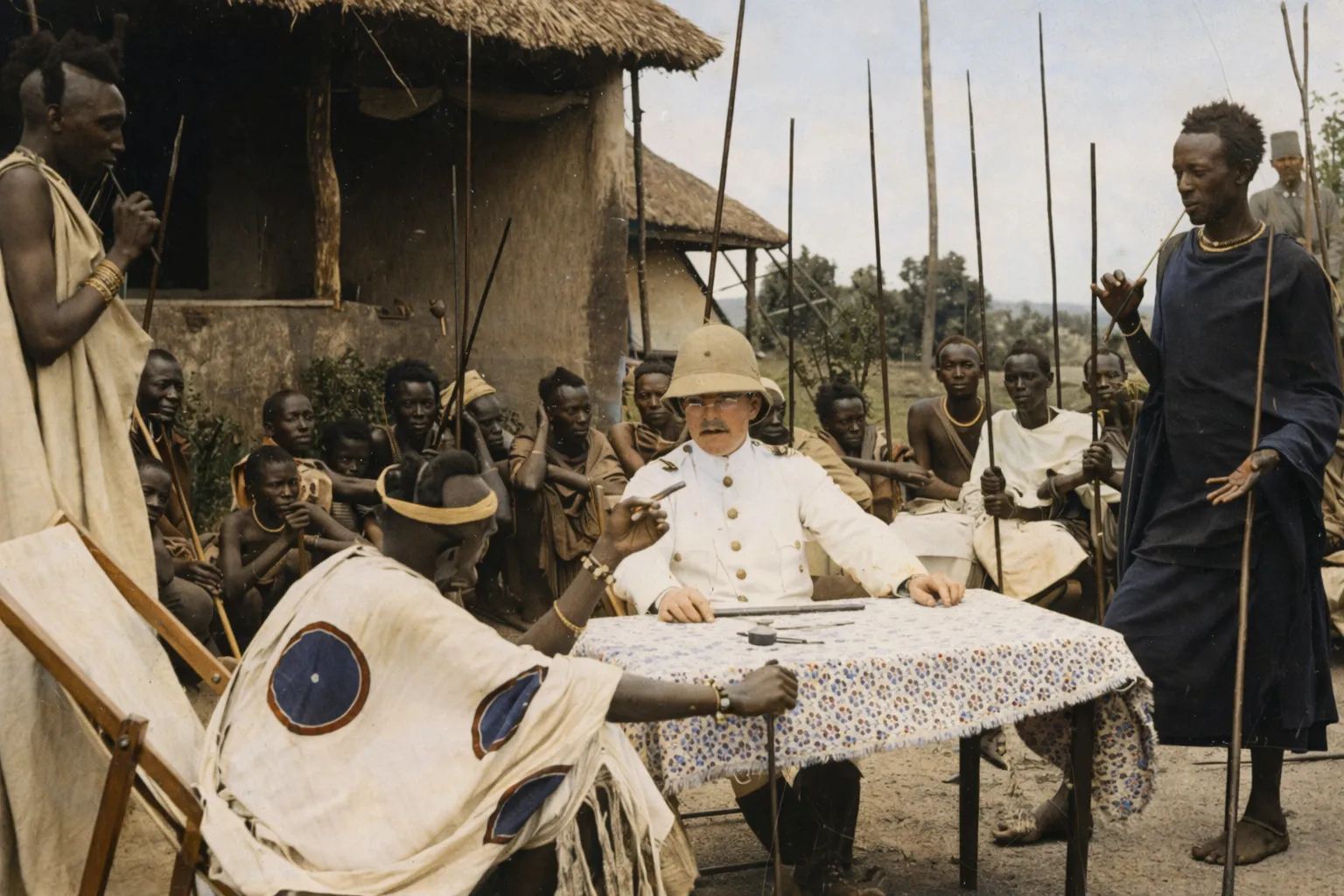
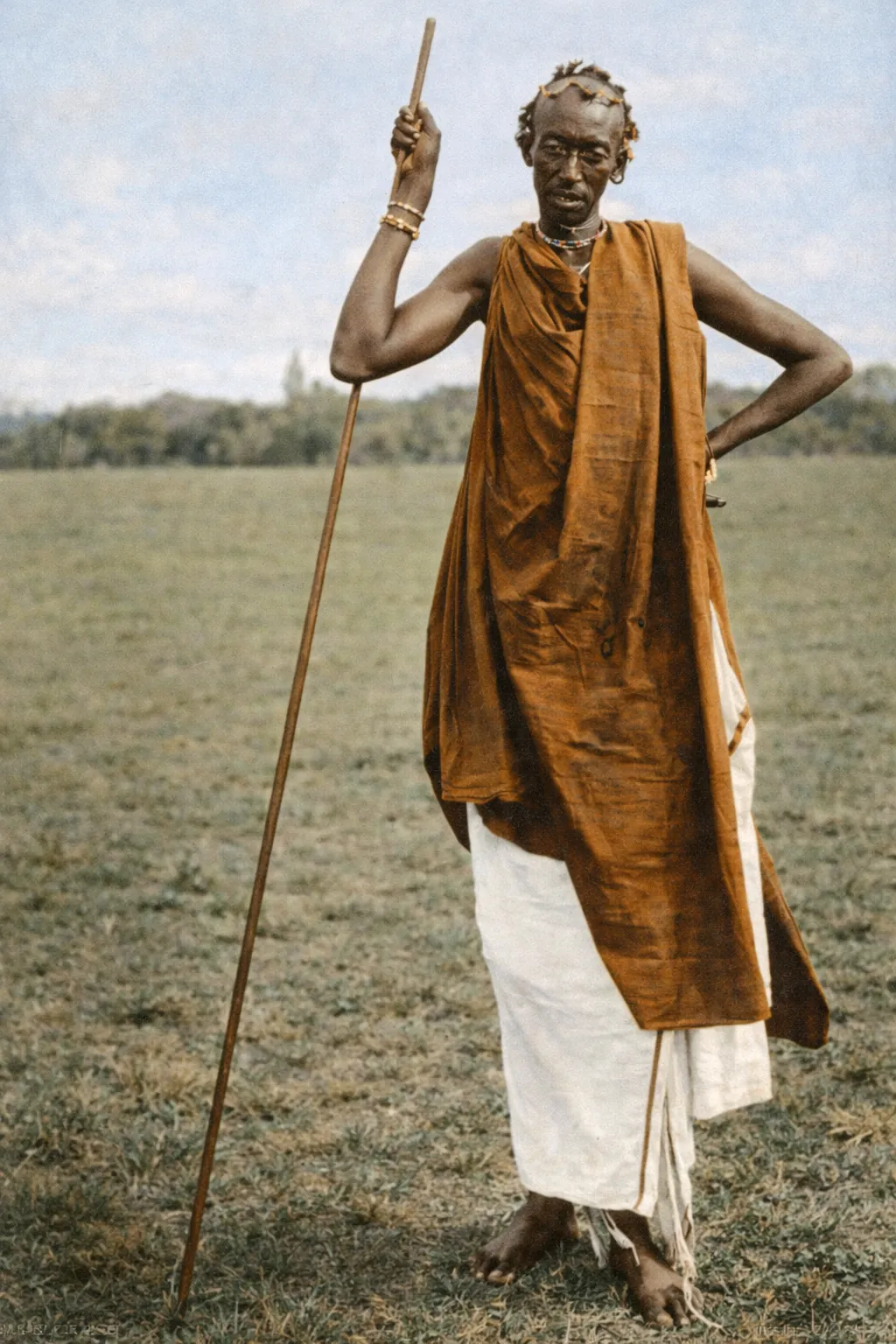
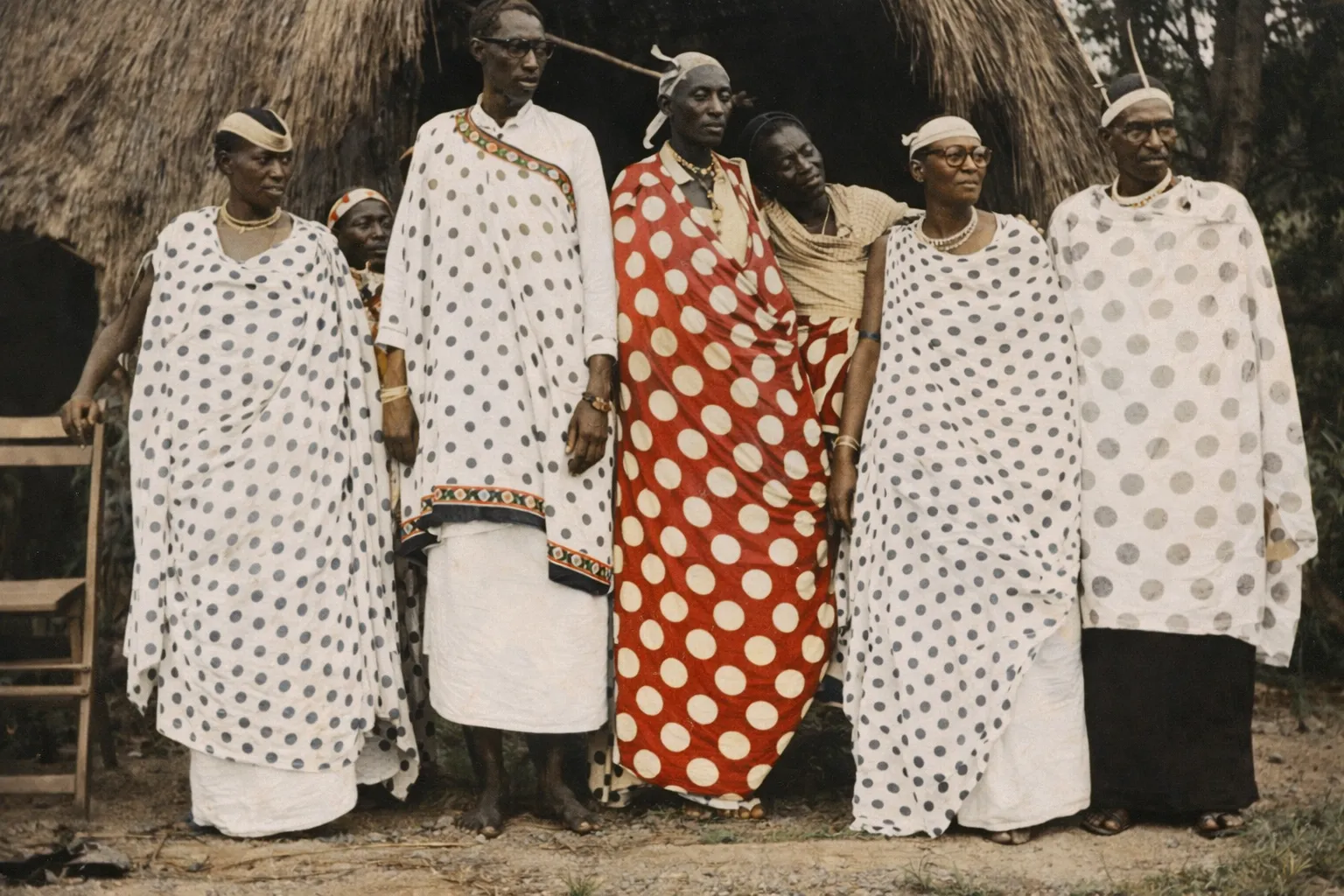
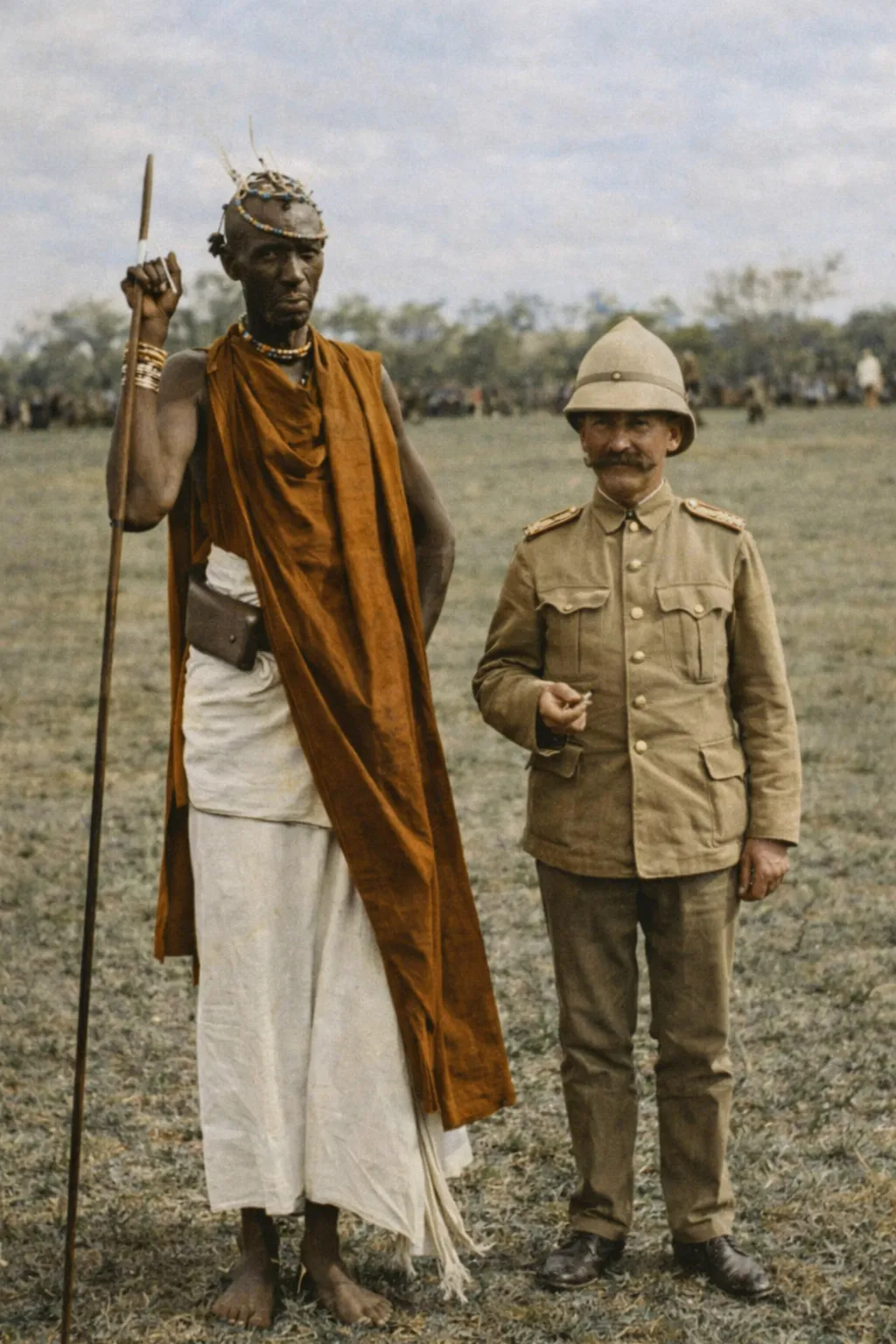
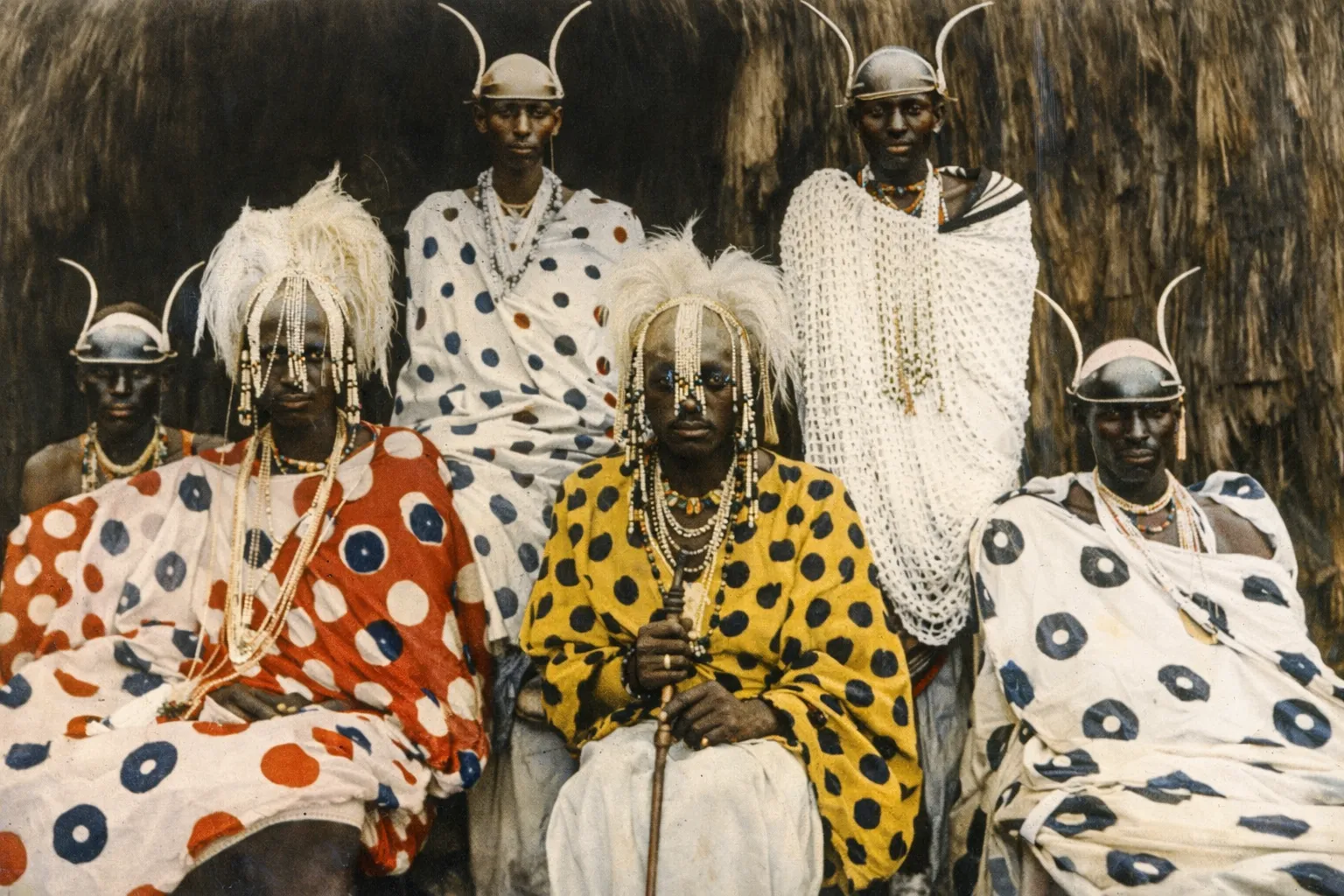
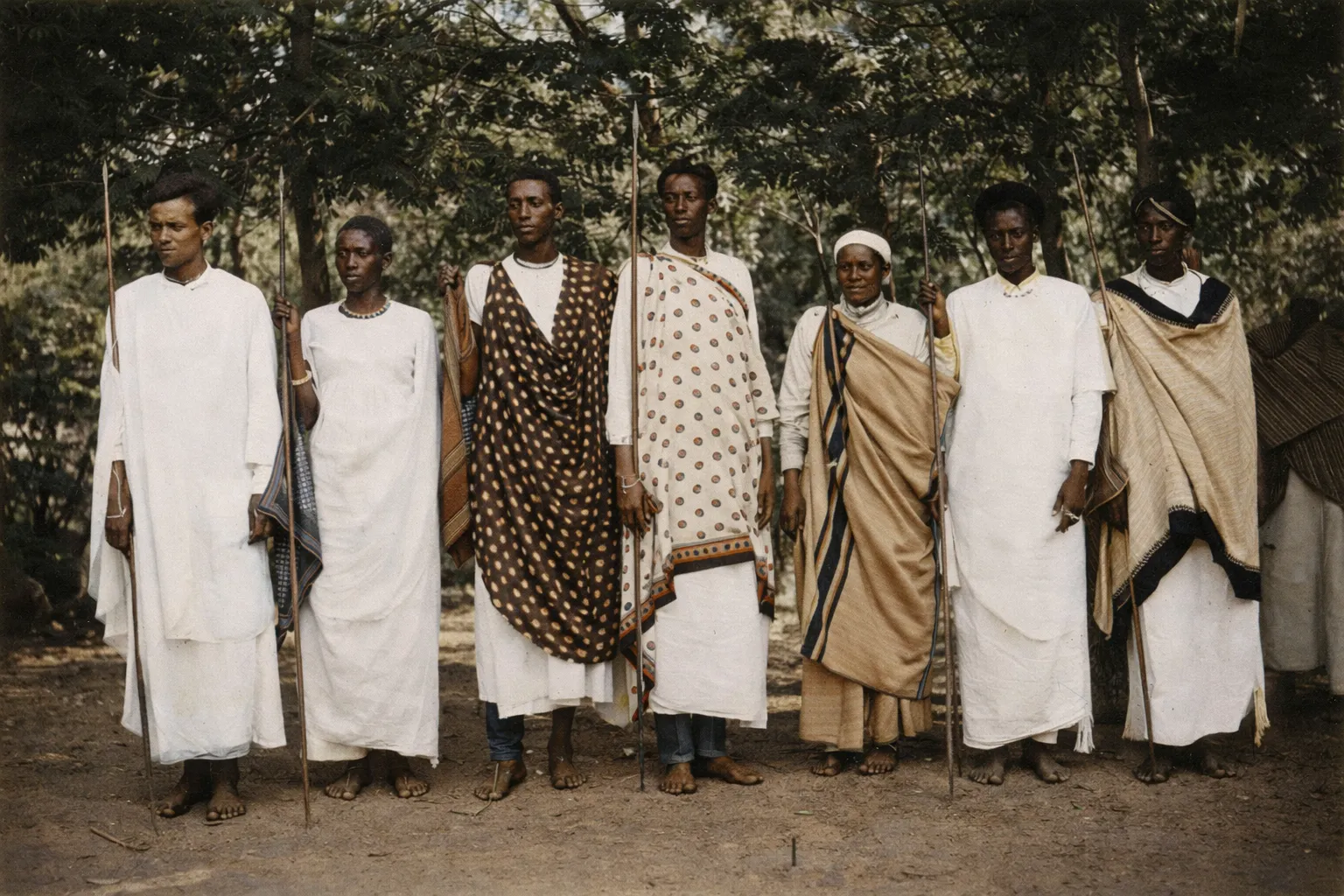
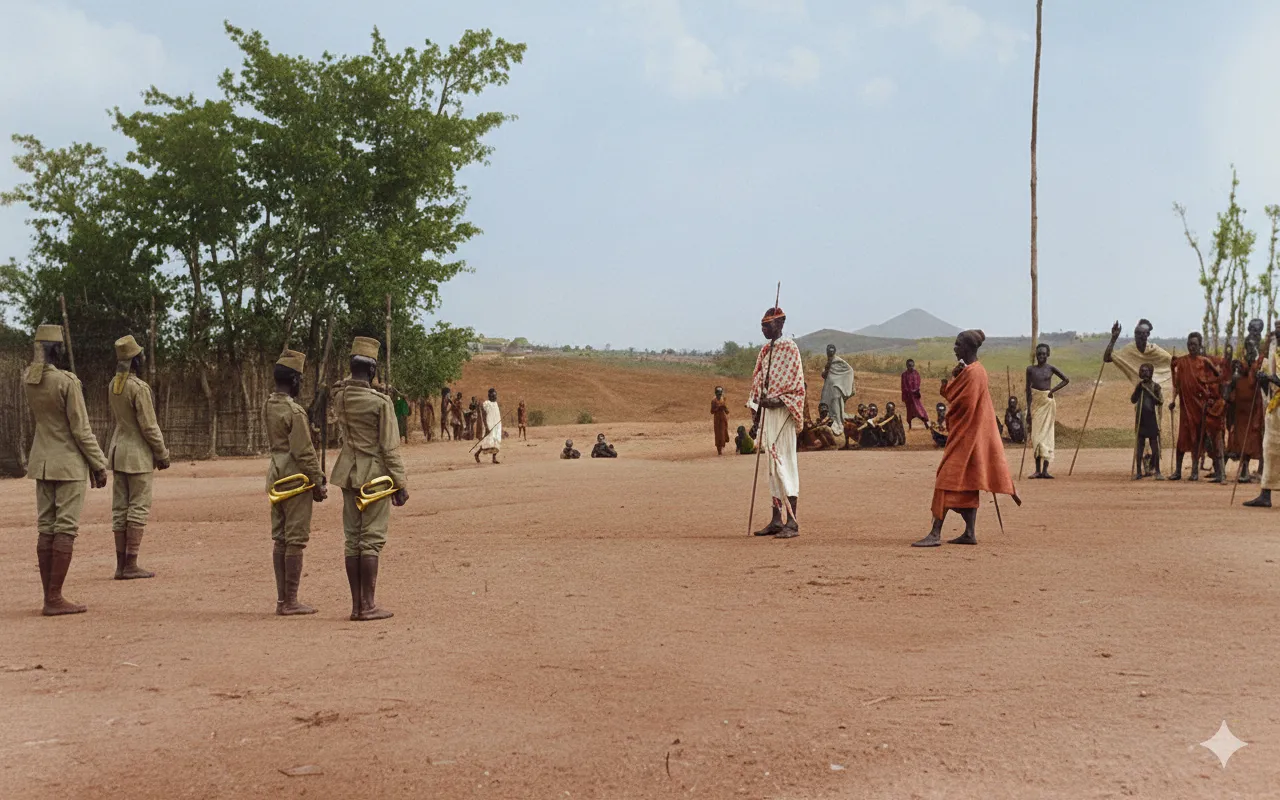
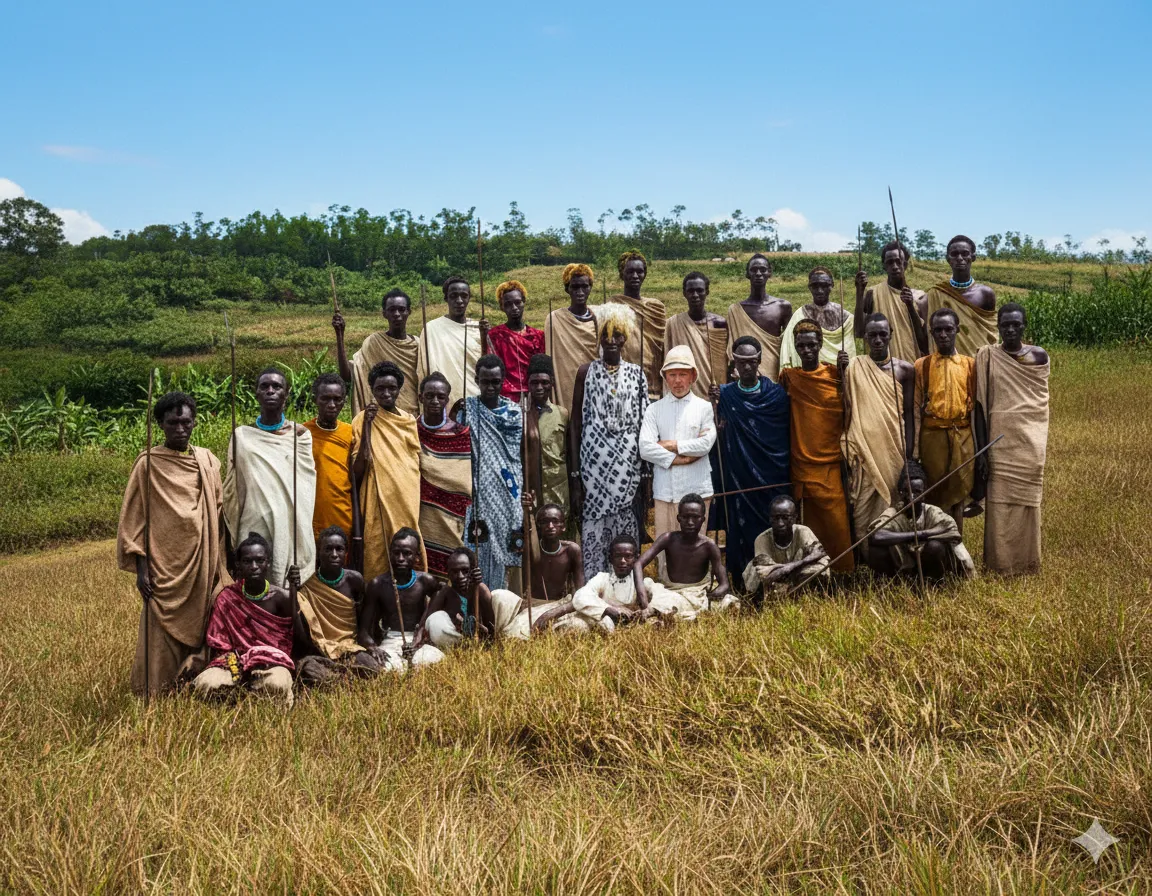
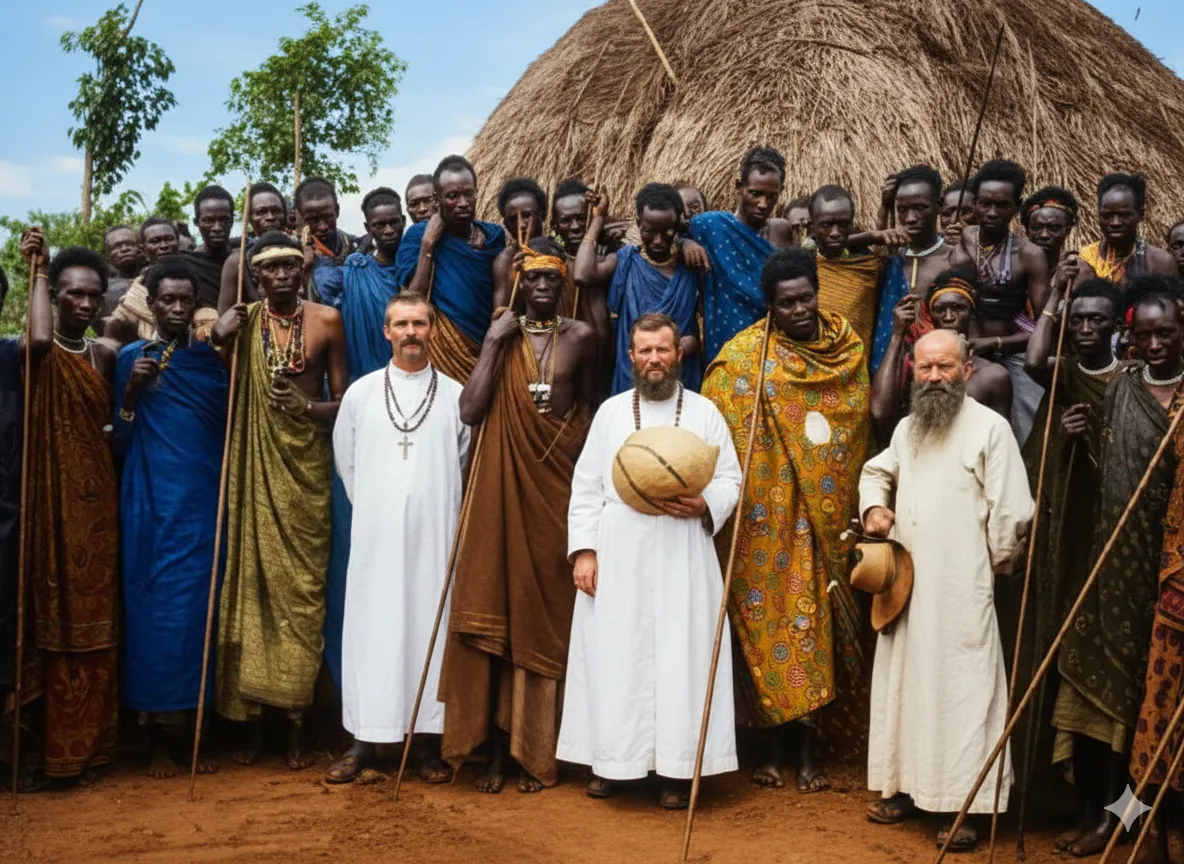
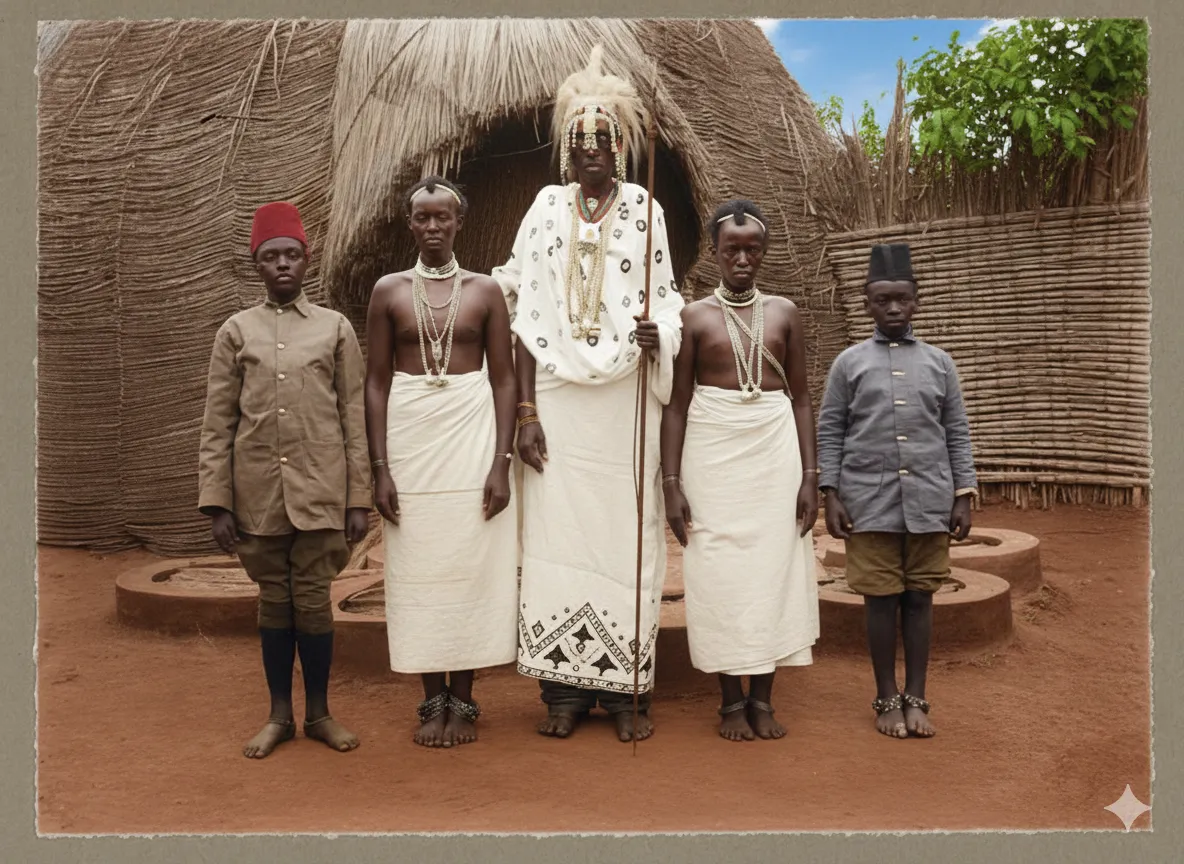
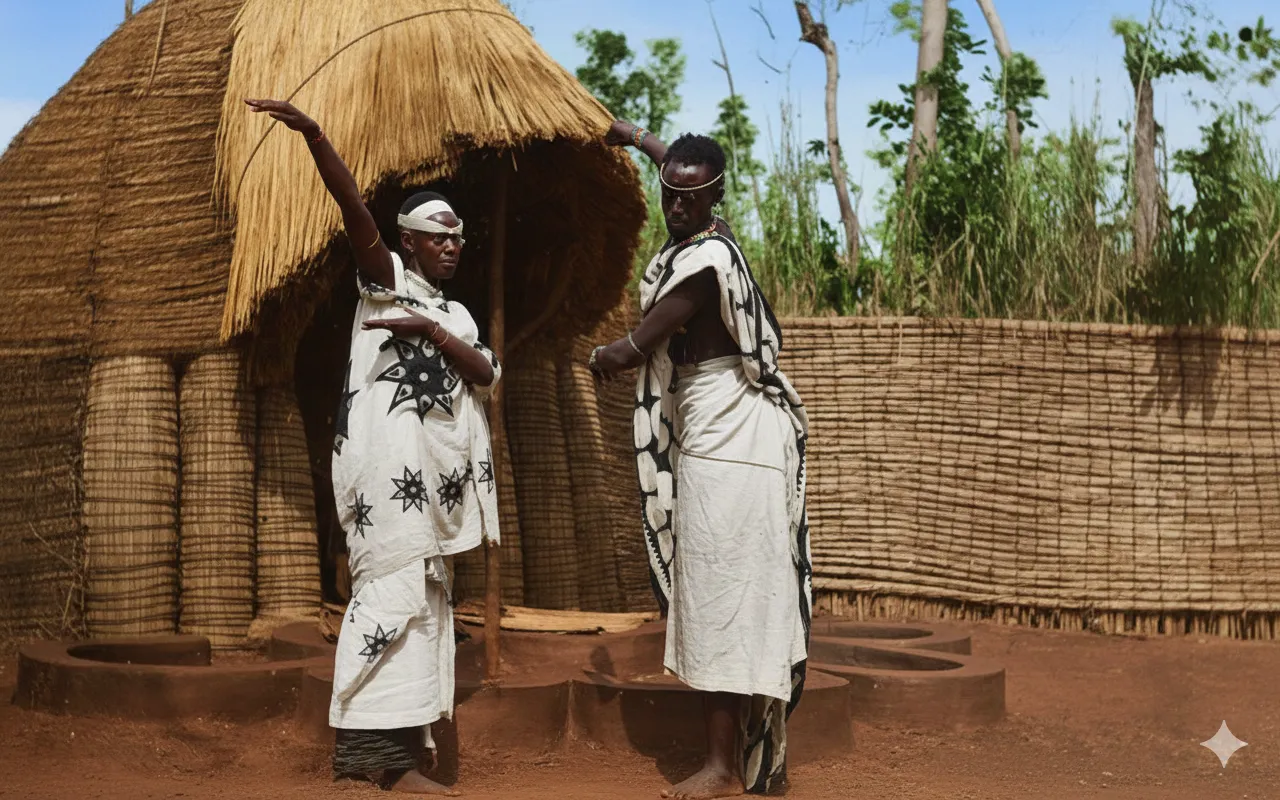
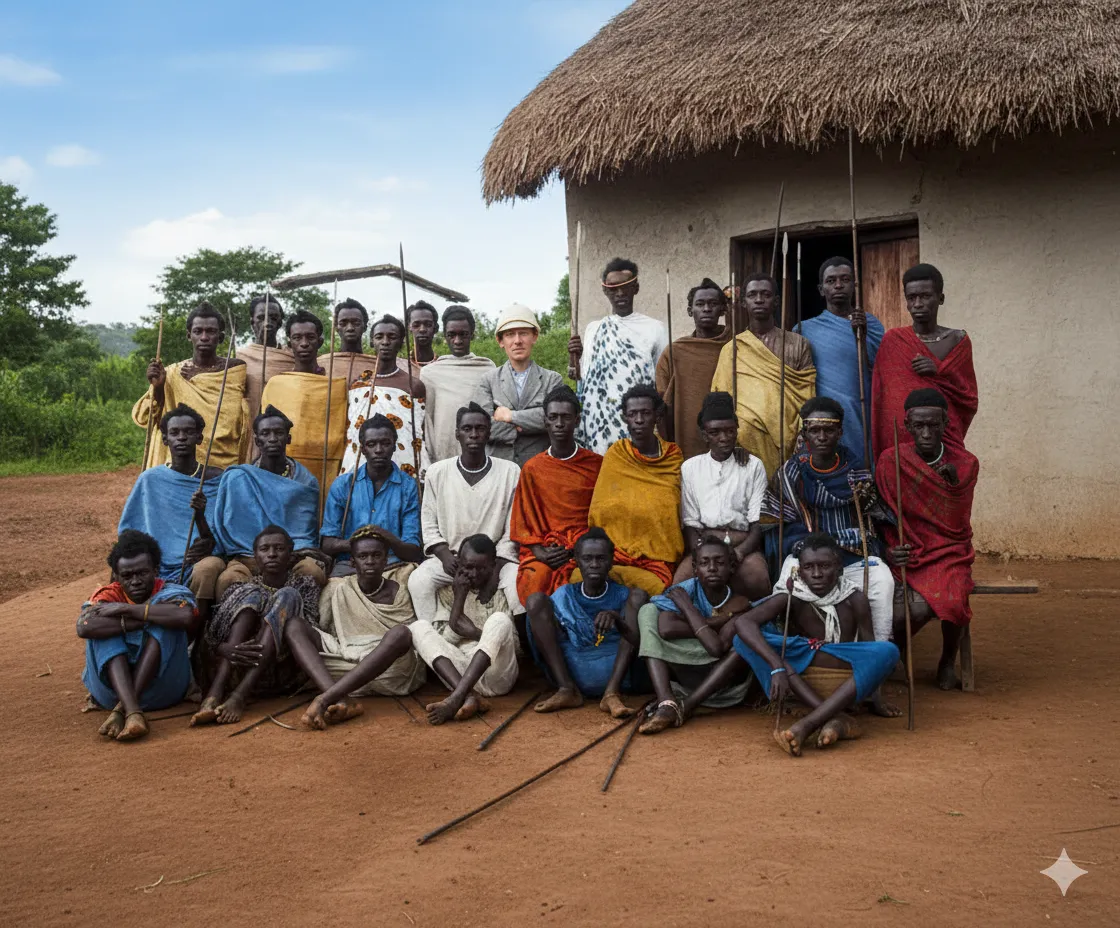
King Yuhi V Musinga (c. 1883 – January 13, 1944) was the Mwami (King) of Rwanda who reigned from 1896 until his forced deposition in 1931. He is remembered as the last truly traditional Rwandan monarch who fiercely defended his kingdom's sovereignty and ancestral traditions against European colonial powers. This exhibit presents a unique collection of colorized photographs that bring King Musinga to life, showing him not as a distant historical figure in faded black and white, but as a vibrant, living ruler in his full royal regalia.
Gallery
01
02
03
04
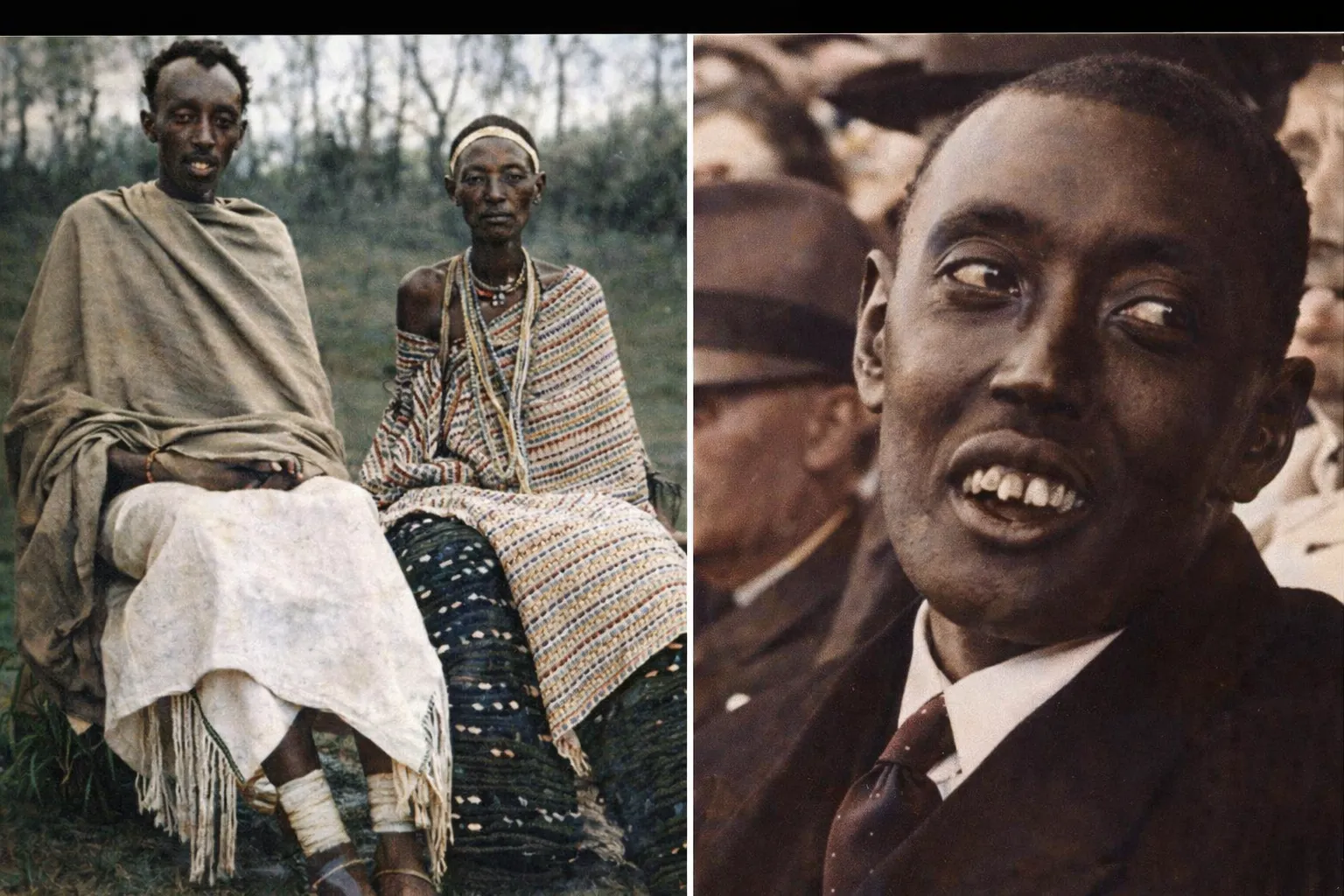
05
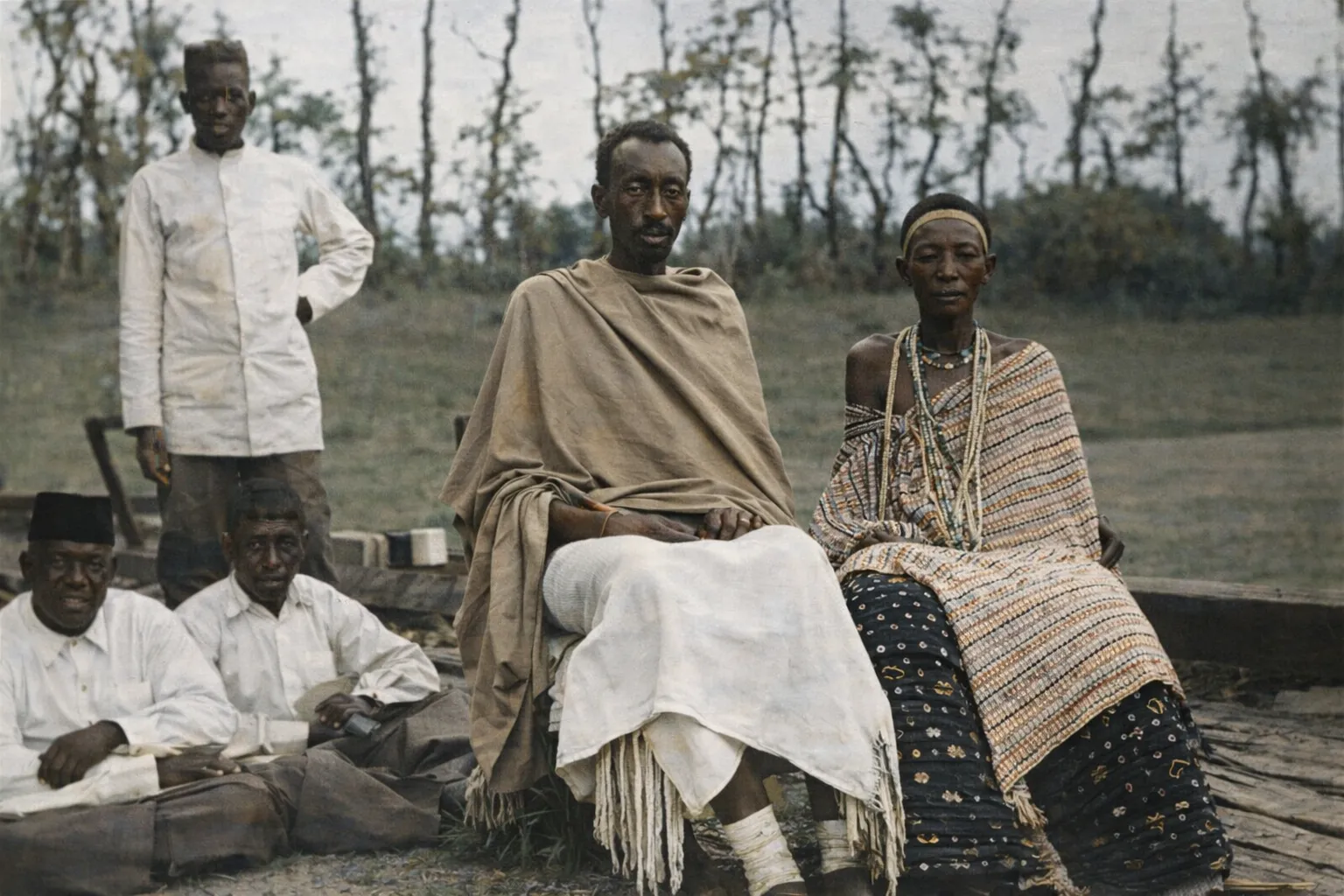
06
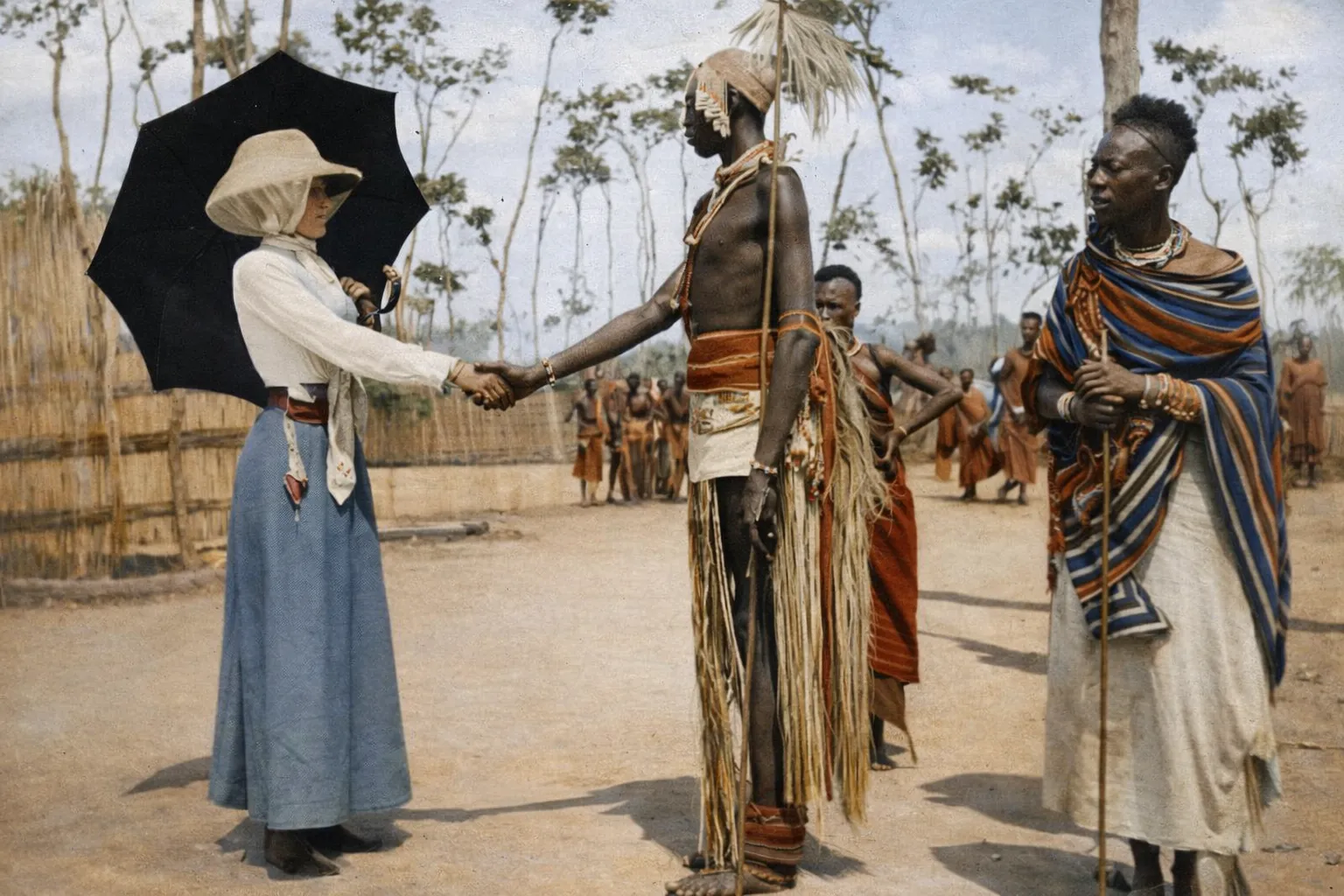
07
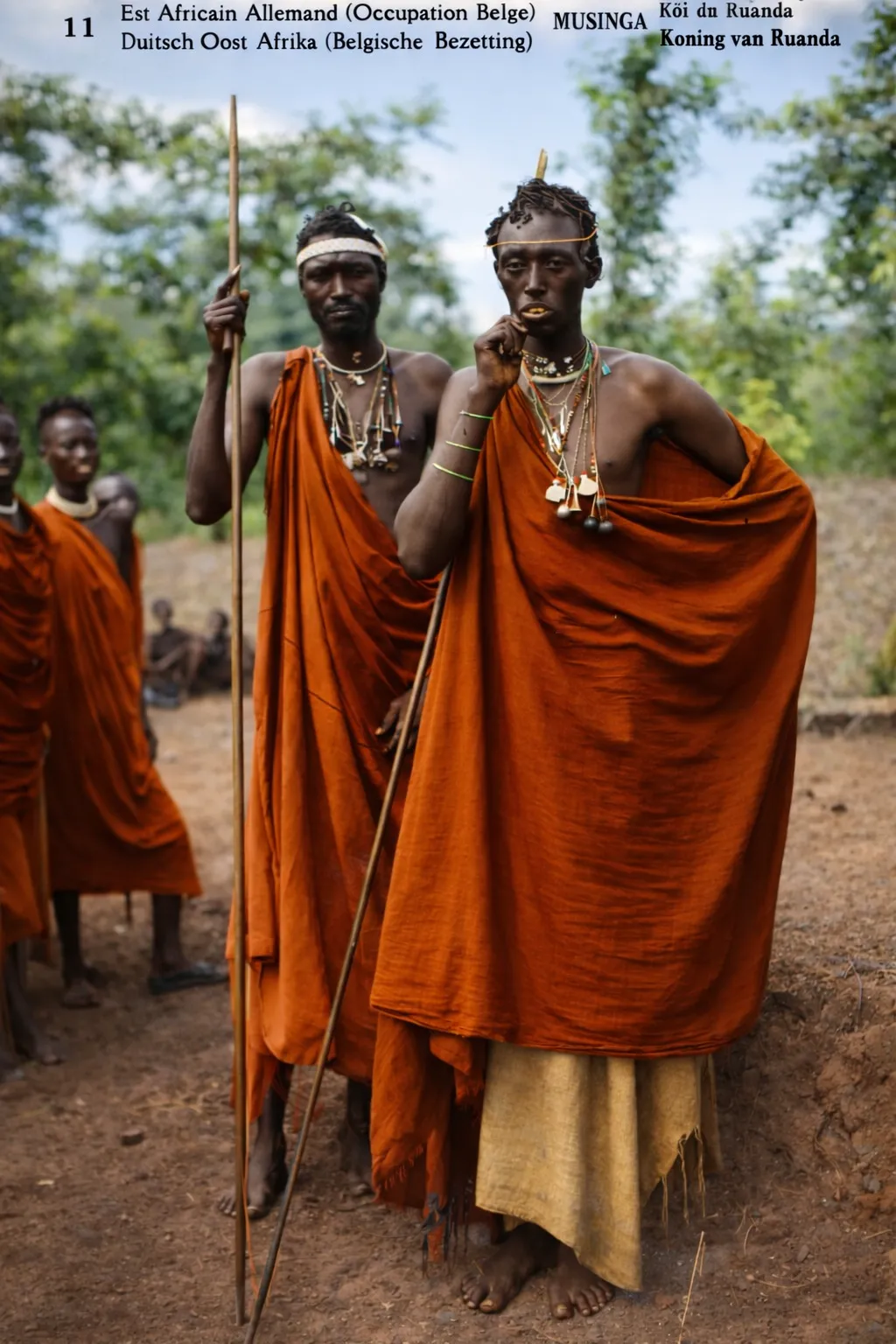
08
09
10
11
12
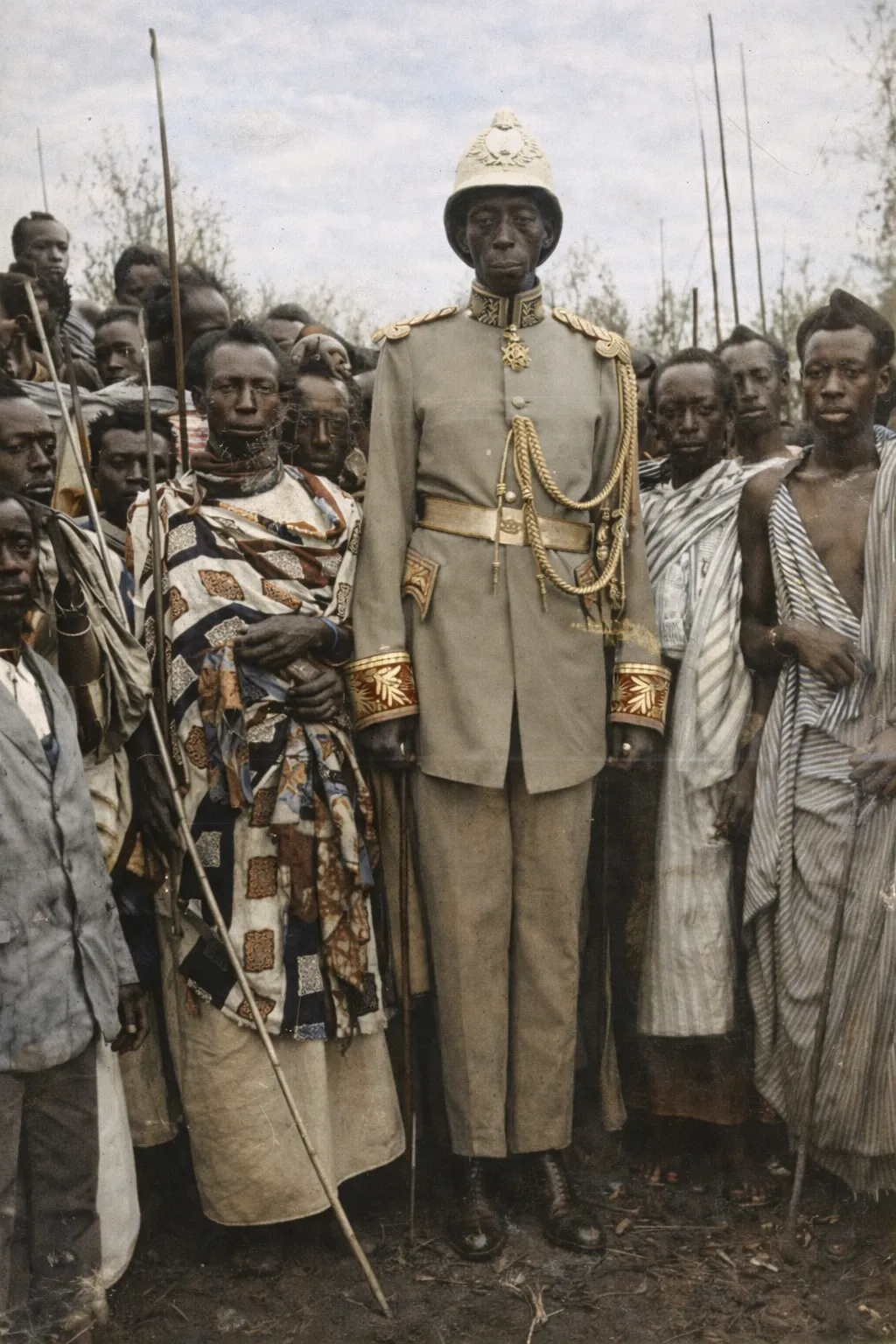
13
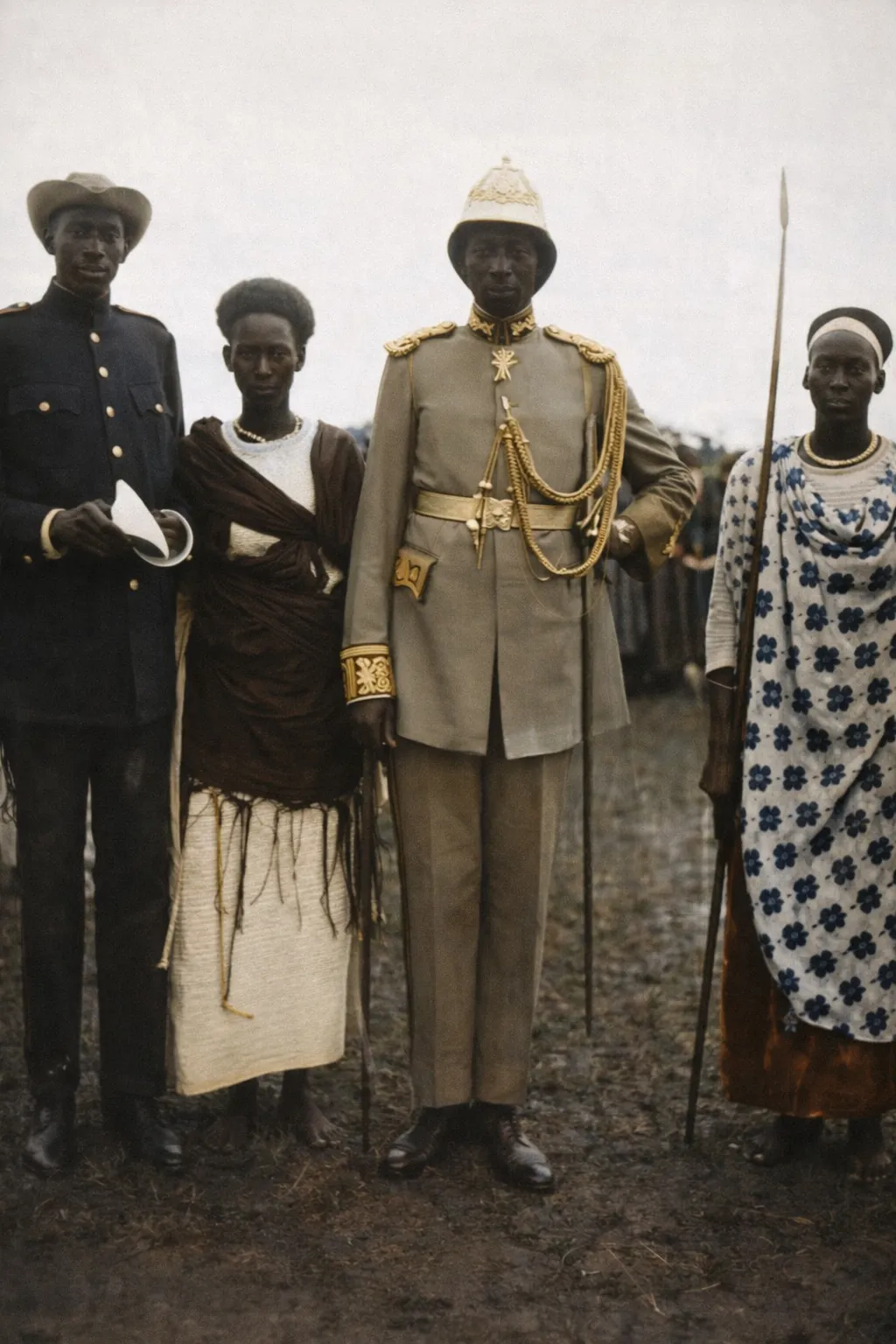
14
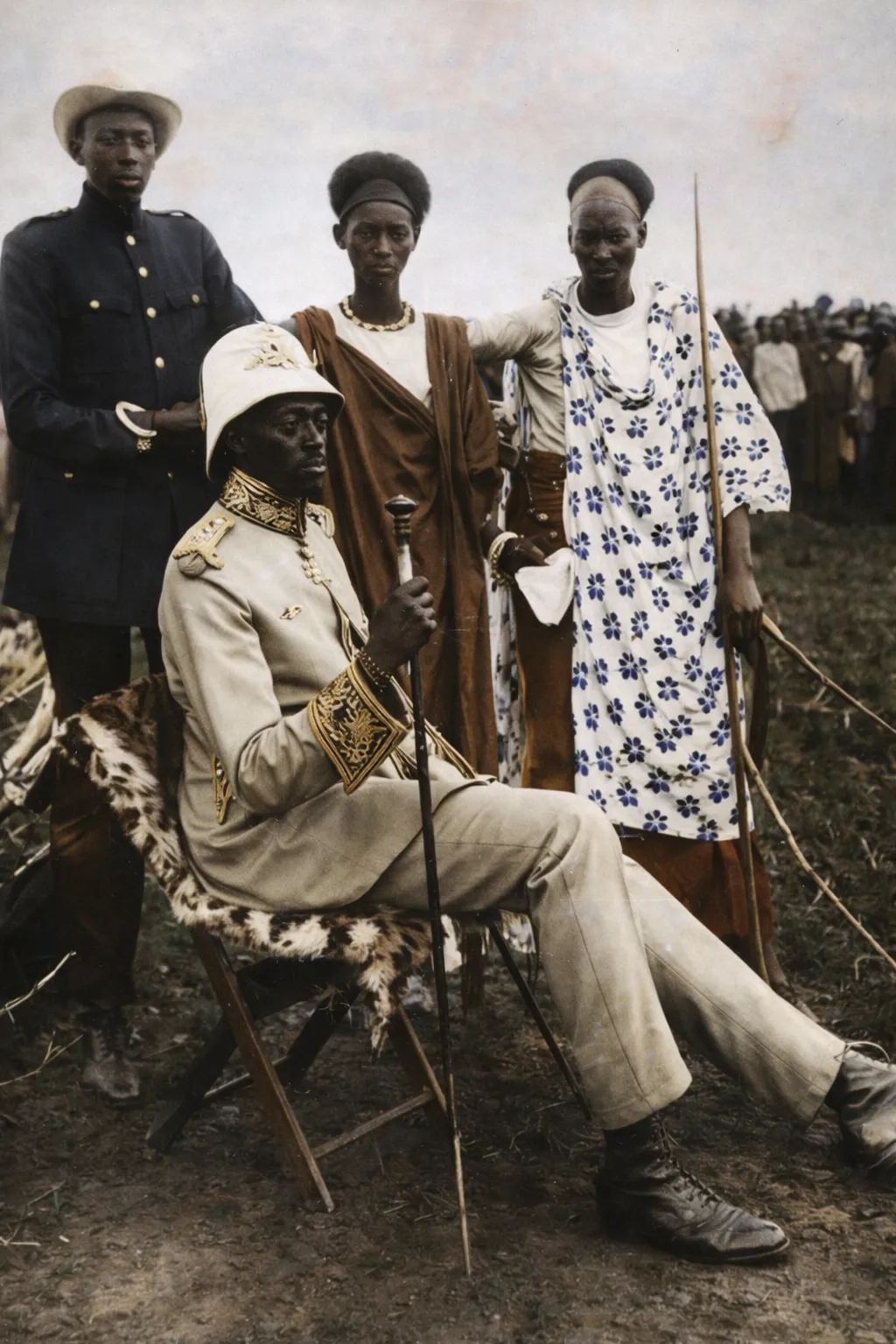
15
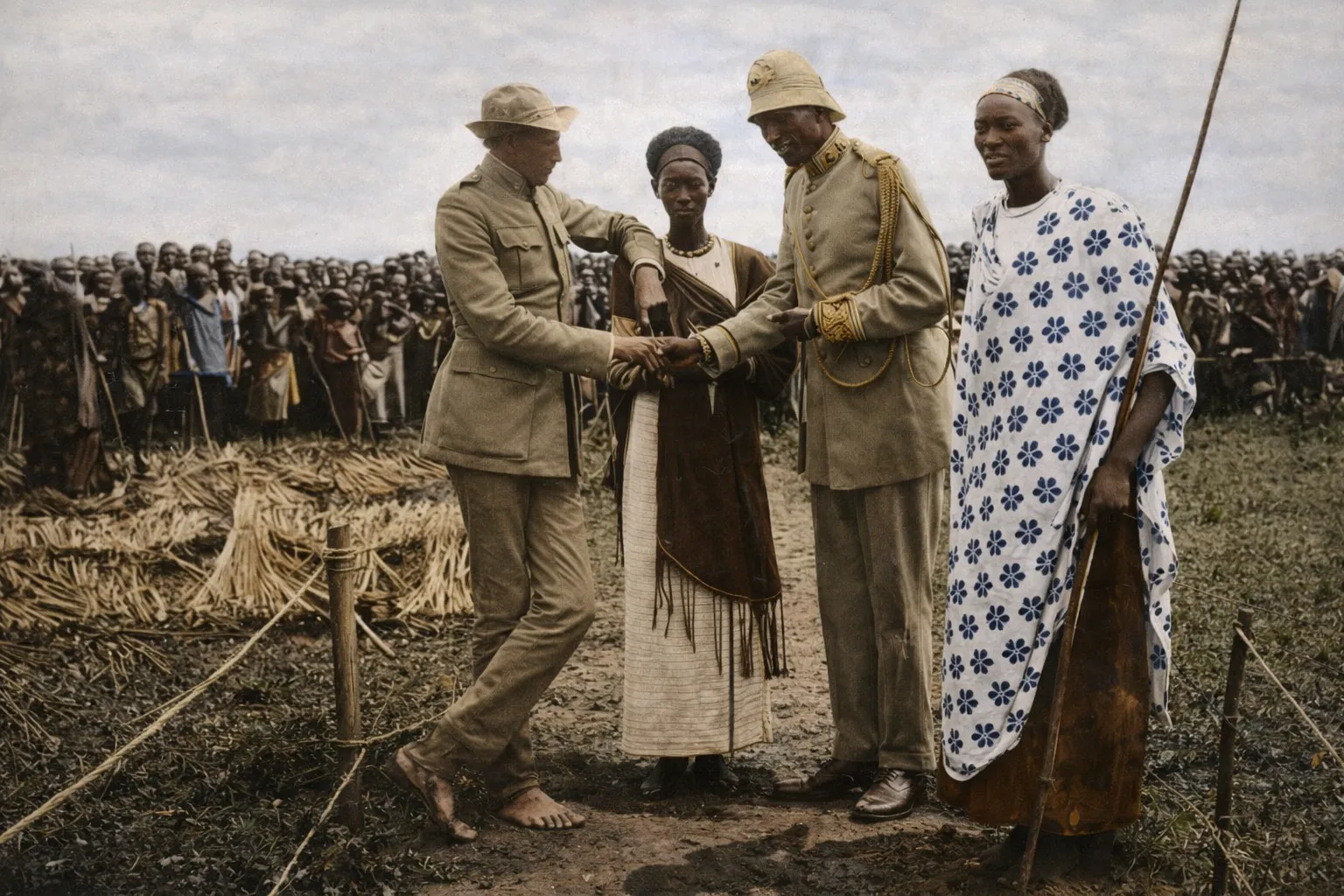
16
17
18
19
20
21
22
23
24
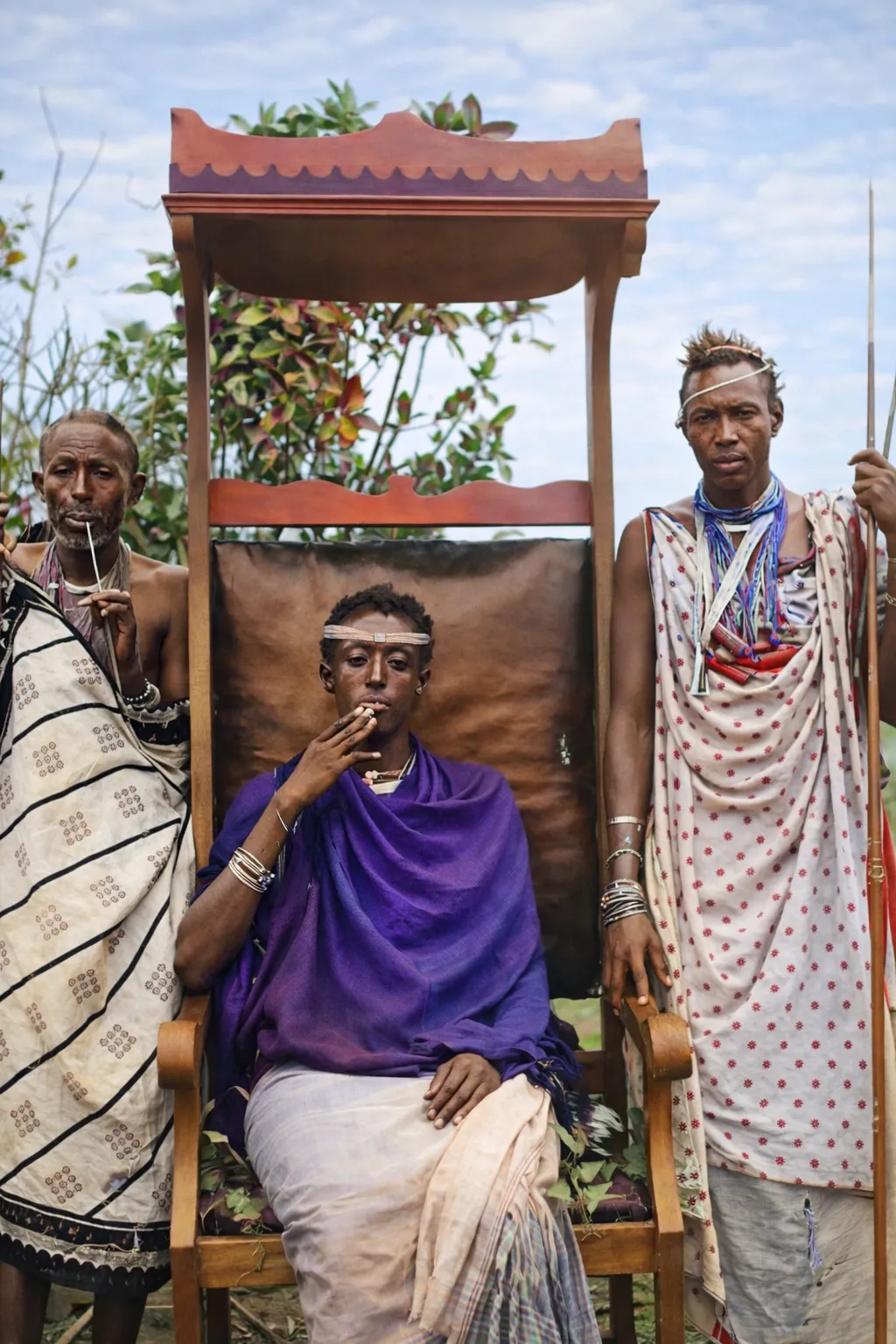
25
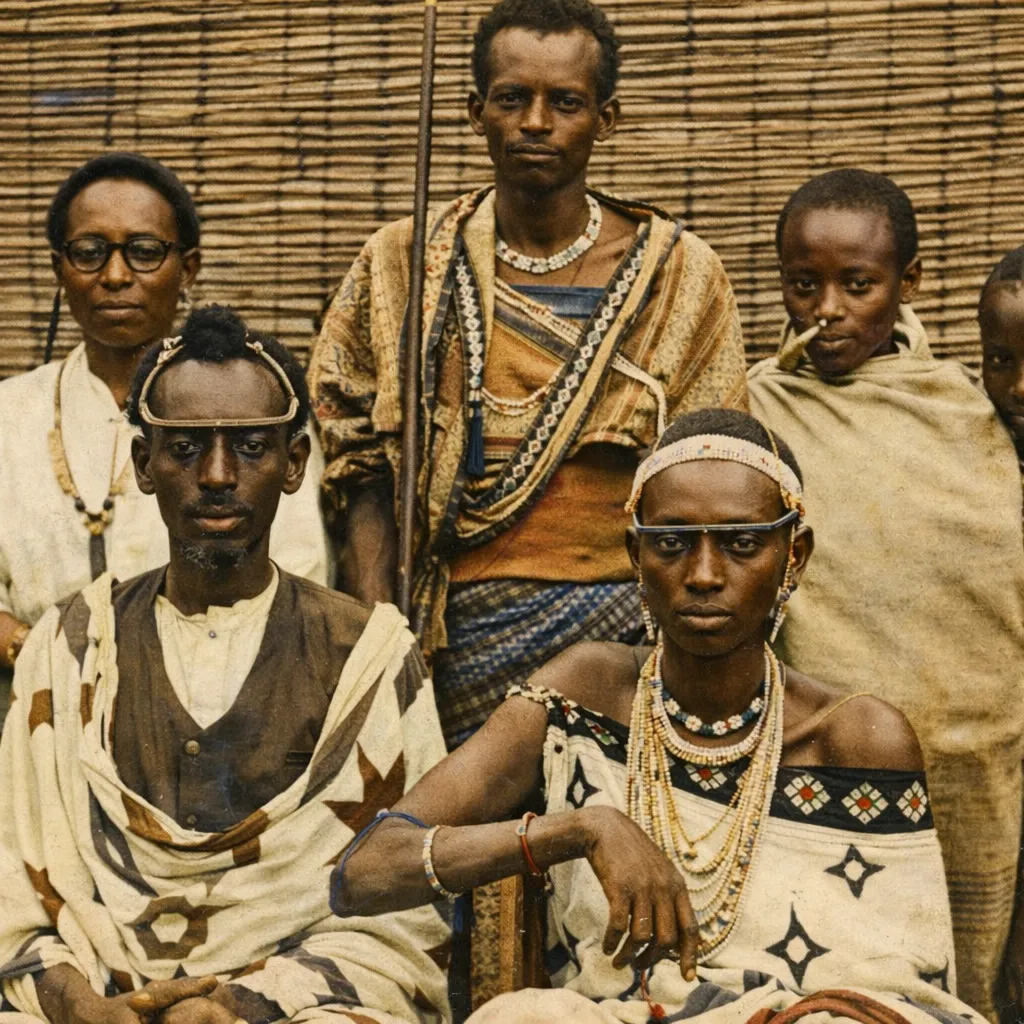
26
The Story
## Early Life & Rise to Power
Born around 1883 as the son of the legendary warrior-king Kigeli IV Rwabugiri and Queen Kanjogera, Musinga was thrust into power at a young age. In December 1896, following a dramatic palace coup that overthrew his half-brother Mibambwe IV Rutarindwa, the teenage Musinga ascended to the throne with the support of his mother and maternal uncles.
## Reign During Colonial Transition
Musinga's 35-year reign coincided with one of the most turbulent periods in Rwandan history—the transition from an independent kingdom to a European colony. Initially, he strategically collaborated with German colonial administrators, using this alliance to strengthen royal authority over previously autonomous regions. He even formed the *Indugaruga* militia to fight alongside the Germans during World War I.
## The Clash with Christianity
Following Germany's defeat in WWI, Rwanda fell under Belgian administration. The new colonial power, deeply allied with the Catholic Church, sought to transform Rwandan society through aggressive Christianization. King Musinga viewed this as a direct threat to:
- **Rwandan spiritual traditions** - The *Kubandwa* practices and ancestor veneration - **Royal divine authority** - The king's sacred role as spiritual intermediary - **Cultural sovereignty** - The independence of Rwandan customs from foreign influence
Despite enormous pressure, **Musinga refused to be baptized**, famously stating that a true Mwami could not abandon the traditions of his ancestors.
## Deposition & Exile (1931)
On November 12, 1931, the Belgian administration officially deposed King Musinga, citing: - His refusal to embrace Christianity - His resistance to colonial educational reforms - His alleged inability to cooperate with subordinate chiefs
His eldest son, Mutara III Rudahigwa, who had converted to Catholicism, was installed as the new king—marking the end of traditional Rwandan monarchy.
## Final Years in Exile
Musinga was first exiled to Kamembe in southwestern Rwanda, then further banished to Moba in the Belgian Congo (present-day DRC) in 1940, to diminish his continued influence over the Rwandan people who still revered him.
The deposed king died in exile on **January 13, 1944**, never having seen his homeland again. In a final act of colonial cruelty, Belgian authorities reportedly refused to return his remains to Rwanda despite significant payment offers from his son, Mutara III.
## Legacy
Today, King Musinga is increasingly recognized as a symbol of resistance against colonialism and cultural imperialism. His refusal to abandon Rwandan traditions, even at the cost of his throne, represents a principled stand for cultural sovereignty that resonates deeply in post-colonial Africa.
This exhibit honors his memory through these stunning colorized photographs—a visual testament to the majesty and dignity of Rwanda's last traditional king.
## Guterekerwa: A Living Memorial (2025)
In 2025, Muganga Rutangarwamaboko from Mubicumbi officially initiated "Guterekerwa" — a sacred ceremony to honor and remember King Yuhi V Musinga. Held on Christmas Day, the ceremony reclaims this date as a moment of reflection and cultural resilience, commemorating the king who refused to abandon his ancestral traditions. Guterekerwa serves as a powerful act of cultural preservation, ensuring that Musinga's legacy of defiance and dignity lives on in the hearts of future generations.
Why It Matters
King Yuhi V Musinga represents one of Africa's most significant examples of cultural resistance against colonialism. His refusal to convert to Christianity and abandon Rwandan traditions—even at the cost of his throne—embodies the struggle for African cultural sovereignty during the colonial era. These colorized photographs transform our understanding of this historical figure, presenting him not as a distant, sepia-toned memory, but as a living, breathing monarch in his full glory.
Guterekerwa: A Living Memorial
In 2025, Muganga Rutangarwamaboko from Mubicumbi officially initiated "Guterekerwa" — a sacred ceremony to honor and remember King Yuhi V Musinga.
Held on Christmas Day, the ceremony reclaims this date as a moment of reflection and cultural resilience, commemorating the king who refused to abandon his ancestral traditions.
Guterekerwa serves as a powerful act of cultural preservation, ensuring that Musinga's legacy of defiance and dignity lives on in the hearts of future generations.
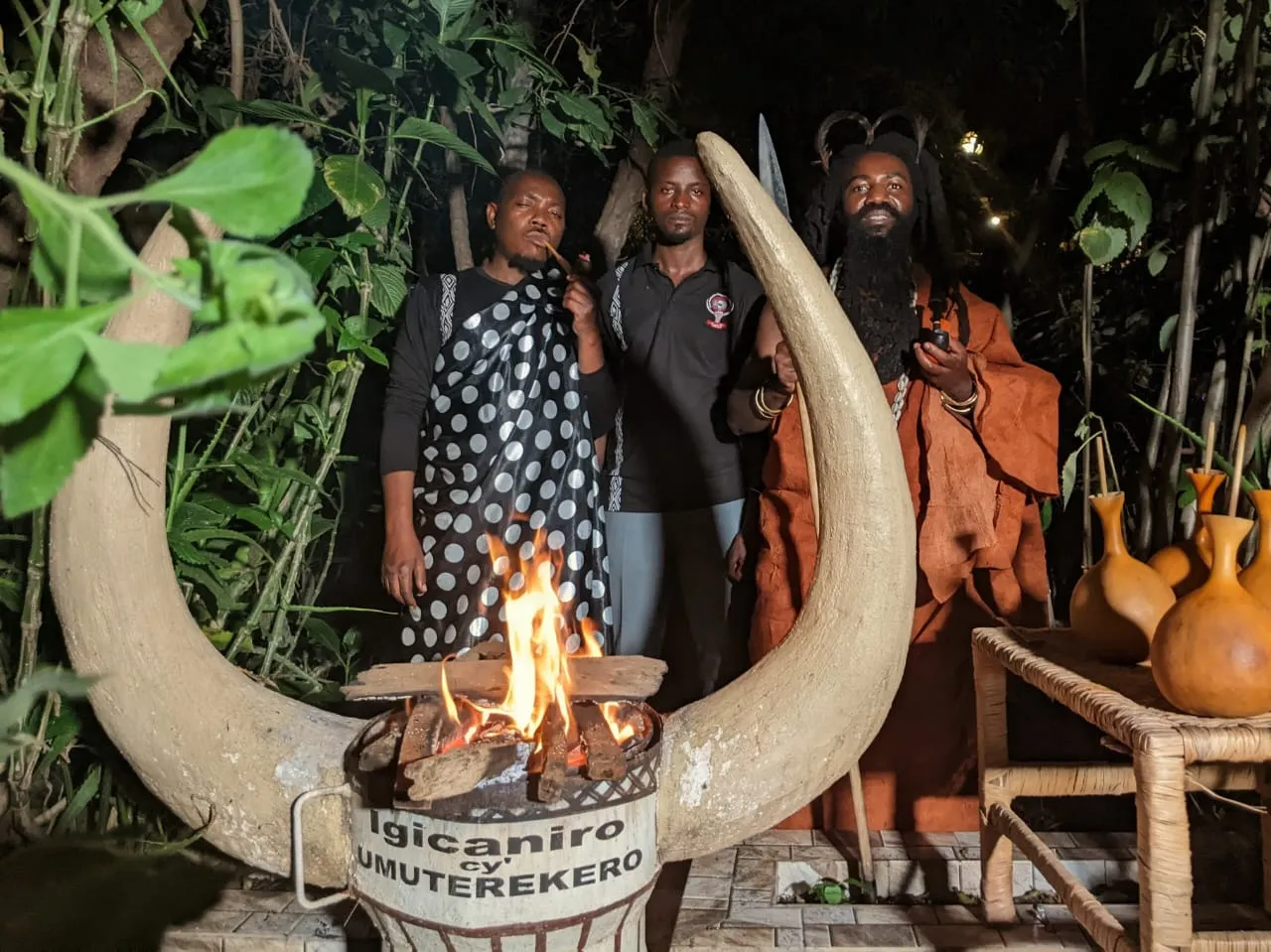
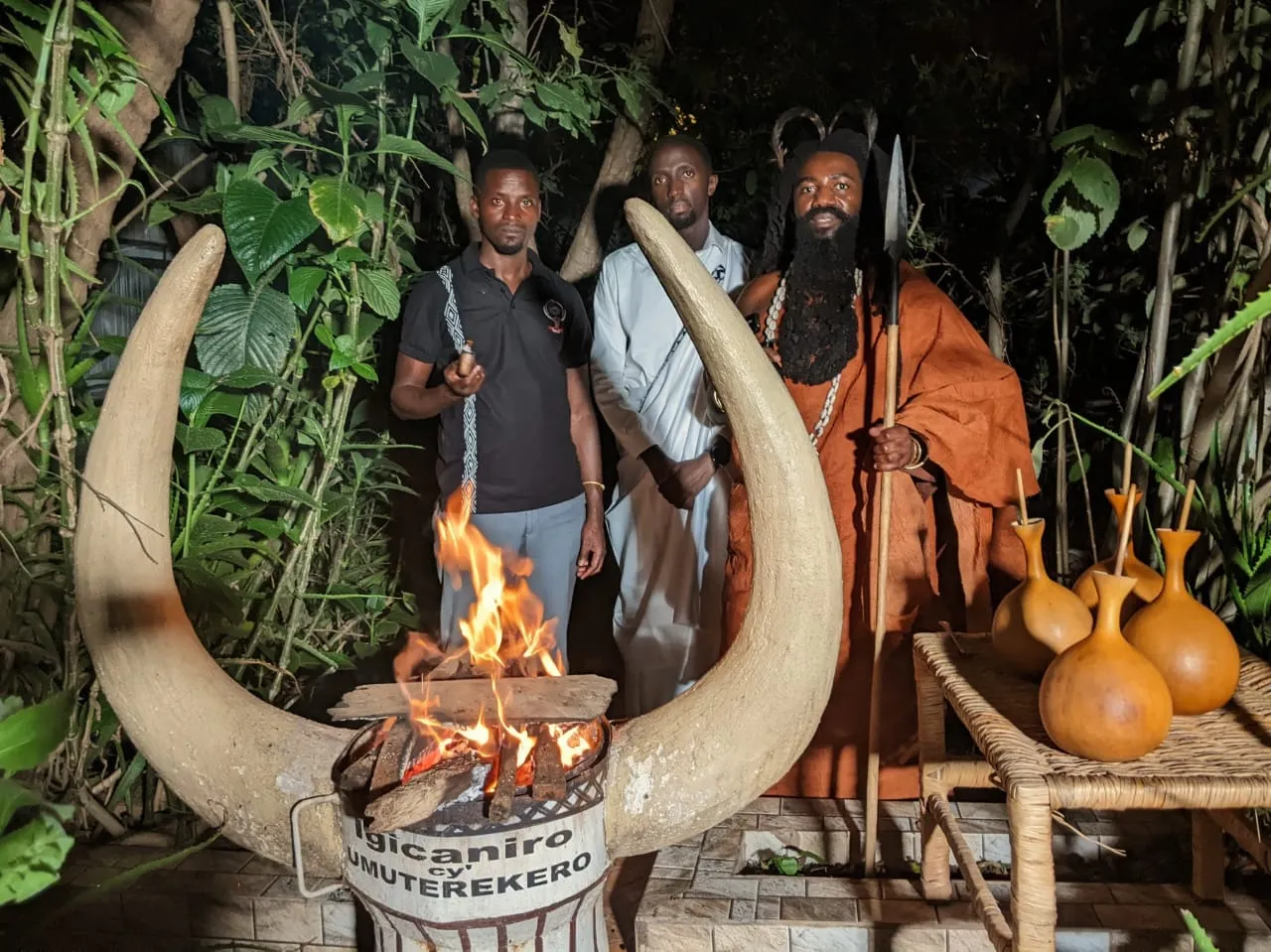
Initiated by Muganga Rutangarwamaboko • Mubicumbi, Rwanda • Christmas 2025
Africa Live As One Movement
This Pan African Culture collection of colorized historical photos is proudly presented by ALOMOVEMENT — dedicated to preserving, celebrating, and sharing the rich history and culture of Africa with the world.
Learn more about ALOMOVEMENT →